
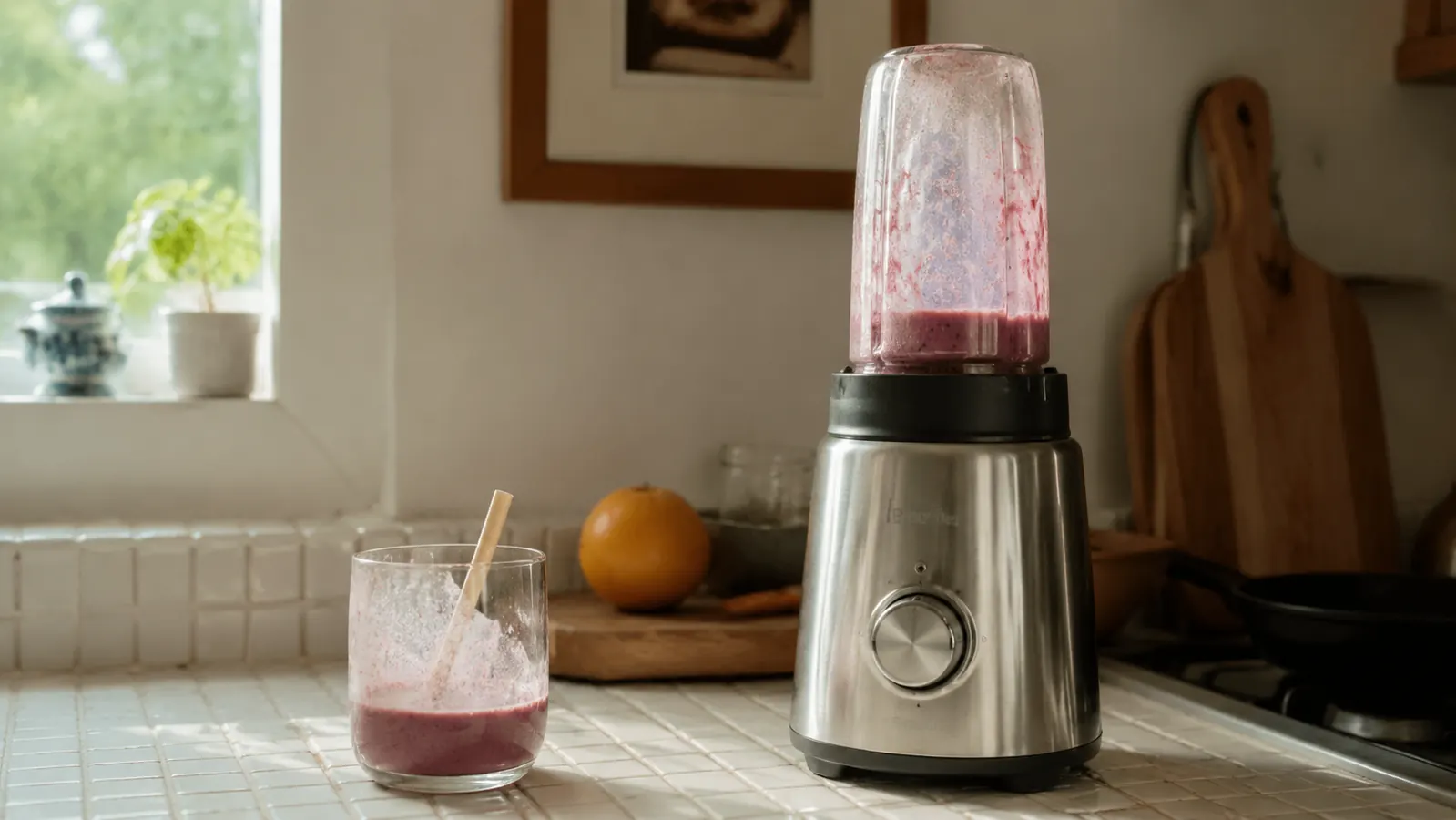
I am not here to tell you the Magic Bullet is a disaster. It is not. But I am also not going to tell you it is the blender of your dreams, because that depends entirely on what you plan to blend -- and most reviews skip the part where it struggles. The Magic Bullet has over 119,000 Amazon ratings and a 4.4-star average. That is a lot of happy buyers. But read enough of those reviews and a pattern shows up: most people are comparing it to nothing, or to blending one thing -- a soft-fruit smoothie -- and calling it good. If that is your whole use case, fine. But if you are hoping it can do more, you need to know where it runs into walls.
I bought the Magic Bullet 11 Piece Set a while back for my galley kitchen, which has roughly 14 inches of usable counter space once the coffee maker is in place. I tested it across different foods, pushed it through the recipes people actually search for, and watched what happened over time. The blade gasket, the cup material, the motor heat, the capacity limits -- all of it came up. This review covers what I found.
The Quick Verdict
Solid for soft-ingredient smoothies and single-serve convenience, but it hits real limits with ice, hot ingredients, large batches, and time -- and the cups degrade faster than the marketing suggests.
Amazon Check Today's Price →If a single-serve soft smoothie is mostly what you need, the Magic Bullet earns its counter space at this price.
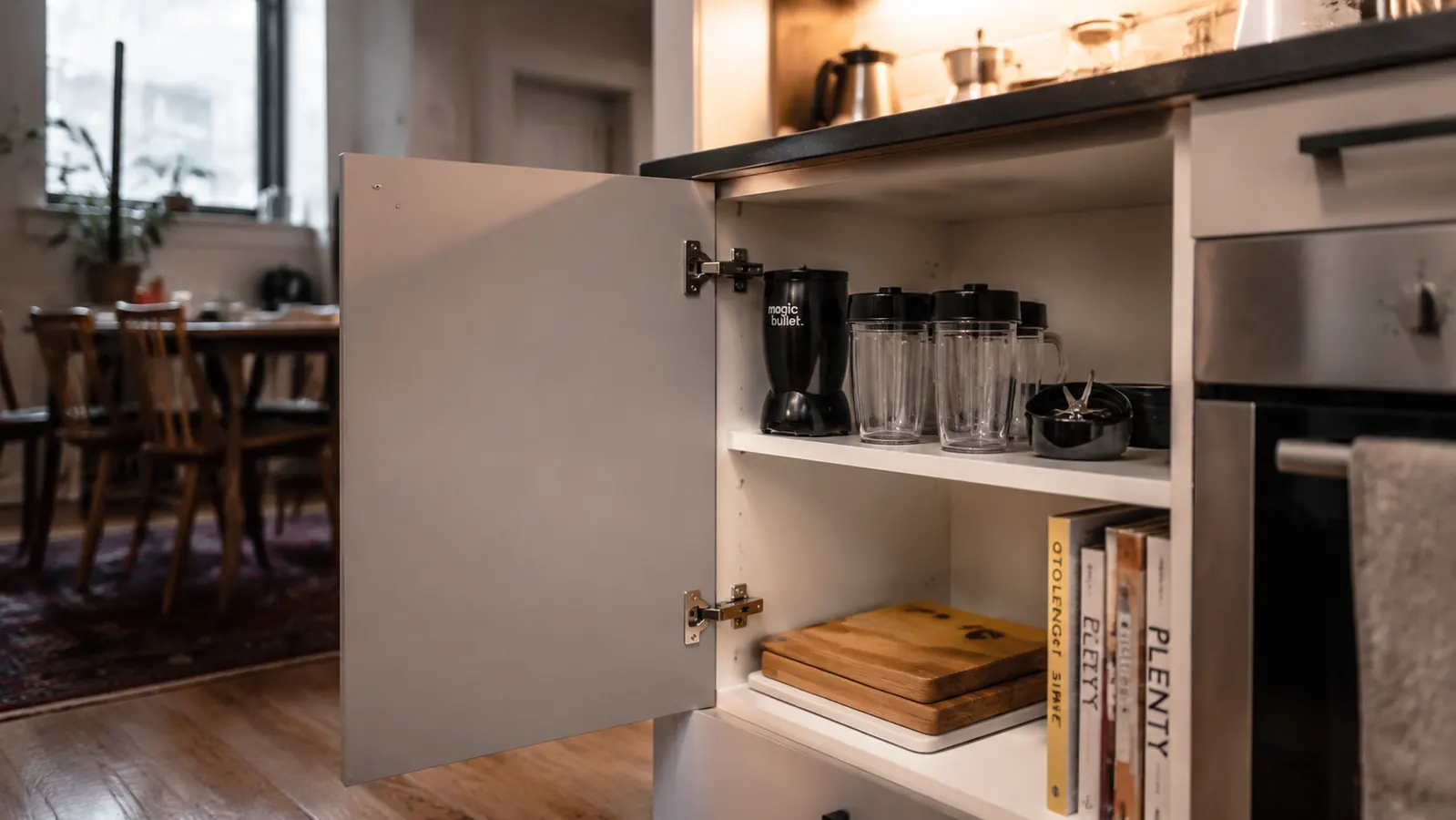
The 11 Piece Set comes with the motor base, cross-blade, flat blade, two tall cups, two short cups, two lids, a lip ring, and a party mug. Check current pricing on Amazon before deciding.
Amazon Check Today's Price on Amazon →The Blade Gasket Problem Nobody Warns You About
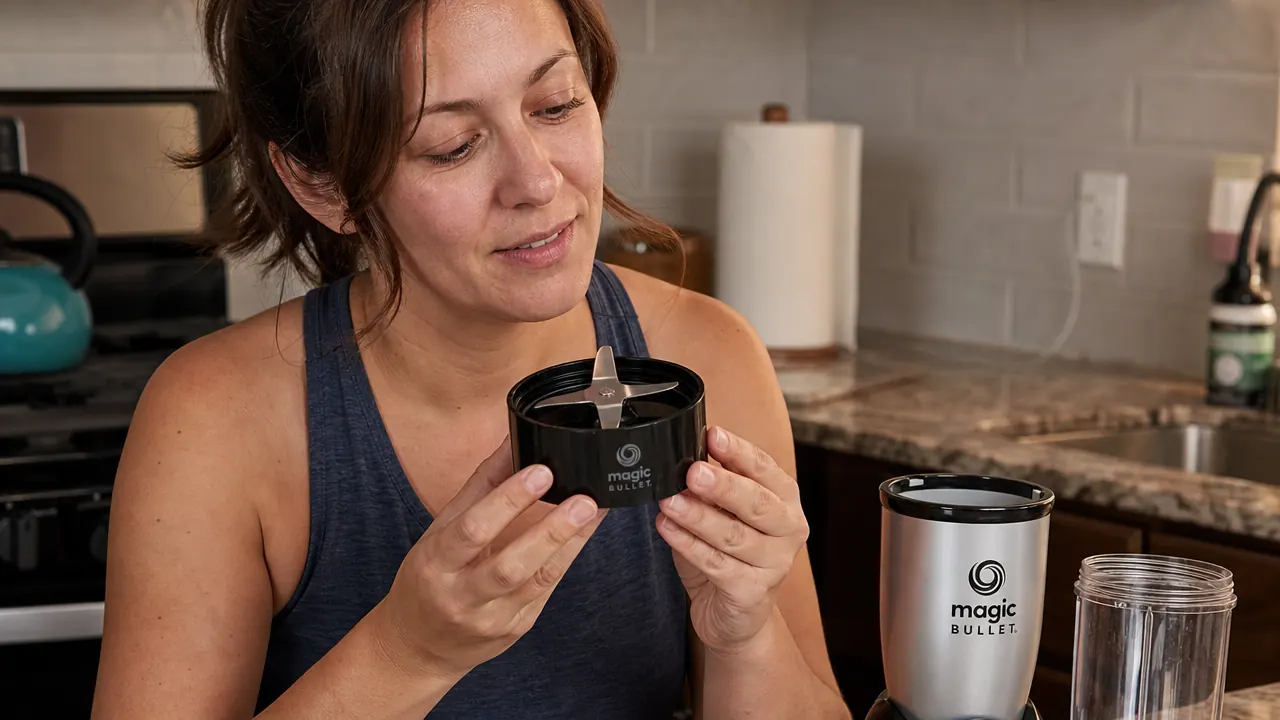
The cross-blade attachment has a rubber gasket -- a small ring that sits at the bottom of the blade assembly and creates the seal between the blade and the cup. It is the part most likely to cause problems, and almost no review mentions it until someone is already searching for a replacement. With regular use, that gasket softens, discolors, and eventually starts allowing small amounts of liquid to seep around the threads. You will notice it first as a faint smell when blending, then as a light ring of moisture at the base after blending.
Replacements exist and are cheap, but the issue is knowing to look for them before you assume the blender is broken. Rinse the blade assembly promptly after every use and let it air dry upright -- blade facing up -- so moisture does not sit on the gasket. That extends its life considerably. But if you are someone who blends daily and leaves the blade sitting assembled in the cup, plan to replace the gasket within a year. It is a maintenance reality the product packaging does not mention.
Capacity: Smaller Than You Think When Food Is Actually in the Cup
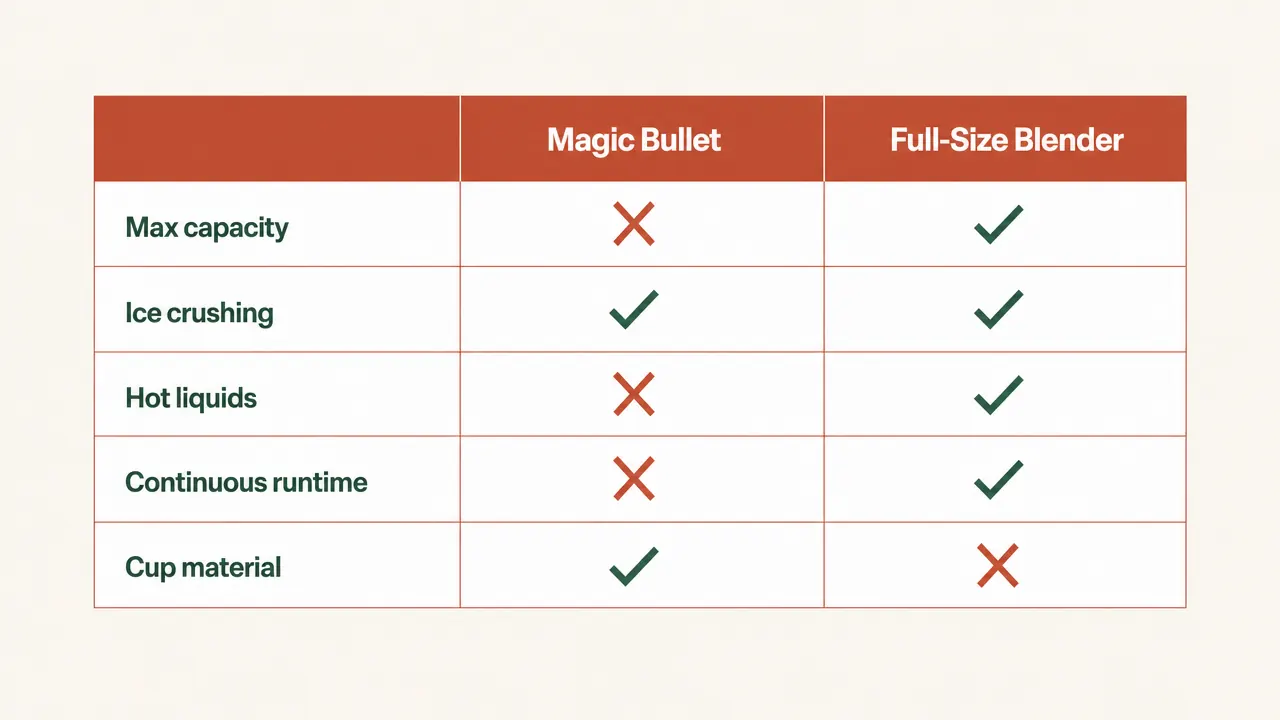
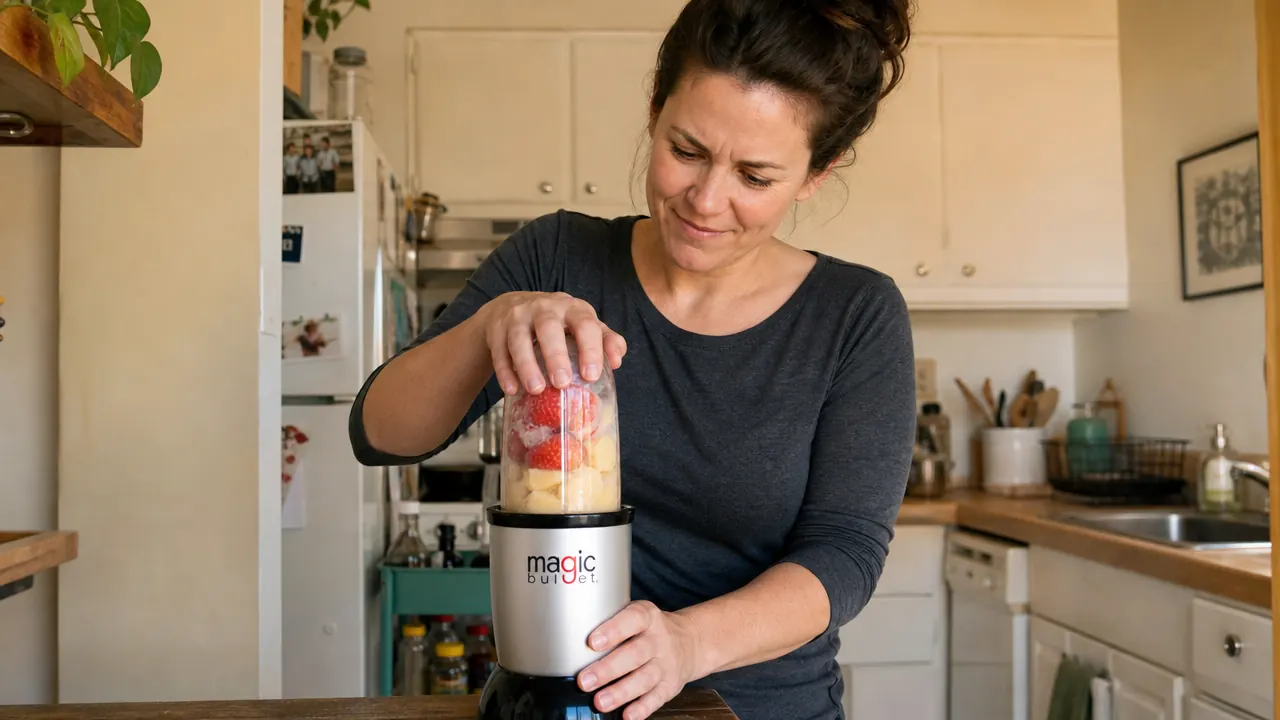
The tall cup holds about 18 ounces. That sounds fine until you realize that to blend safely -- without forcing the motor or leaking at the seal -- you should not fill past the 12-ounce line. Add a banana, a handful of spinach, a scoop of protein powder, some frozen berries, and a pour of almond milk and you are at or past that limit before you have added ice. Many people either overfill and deal with the occasional drip at the gasket, or they split their smoothie across two cups and blend in batches.
Blending in batches is fine for single-serve use, but if you are making breakfast for two -- a partner, a roommate, a kid -- the Magic Bullet becomes an exercise in patience. You are looking at multiple cycles, multiple cups to wash, and a motor that needs a minute between runs. For a single person making one soft smoothie in the morning, the capacity is workable. For anything beyond that, it starts to feel fiddly.
By the time you add a banana, spinach, protein powder, frozen berries, and milk, you are at the fill line before a single ice cube goes in.
It Cannot Handle Hot Liquids -- At All
The Magic Bullet is not designed for hot liquids, and this trips people up more than anything else. Hot soups, steamed vegetables blended while warm, freshly cooked sauces -- none of these should go in the Magic Bullet. The cups are not vented, which means steam pressure builds up inside as you blend hot food. The result ranges from a sticky mess on your ceiling to a burned hand when the cup releases unexpectedly. The manual does say this, but buried.
If you want to make blended soups or hot sauces, you need to let everything cool to room temperature first. That works, but it changes the workflow significantly. You cook the soup, wait 20 to 30 minutes, blend in batches in the small cups, reheat. For a quick weeknight dinner, that is a real friction point. A Vitamix handles hot liquids fine. A full-size blender with a vented lid handles them fine. The Magic Bullet does not, and pretending otherwise is how people burn themselves.
Large Ice and Frozen Smoothies: Where the Motor Shows Its Limits
The 250-watt motor is adequate for soft ingredients and small amounts of crushed ice. It is not adequate for full ice cubes or large quantities of frozen fruit. Drop three full ice cubes into a cup and hit blend and you will hear the motor labor. Sometimes it gets through. Sometimes the ice just rattles around for a few seconds before the motor thermal protection kicks in and the base stops entirely. That automatic shutoff is a safety feature, not a malfunction -- but it means you need to wait a minute before trying again.
The workaround is to use crushed ice rather than cubed, or to let frozen fruit sit out for five minutes before blending. Both work, but they are workarounds. If your smoothie routine involves blending straight from the freezer -- no waiting, no pre-crushing -- you will get inconsistent results. Some mornings it blends fine, some mornings it stalls twice before finishing. The NutriBullet 600, which uses the same cup system and brand family but runs a 600-watt motor, handles frozen loads much more reliably. It also costs more, which brings me to the real question of whether the Magic Bullet is the right tool or just the cheapest tool.
The Plastic Cups Cloud Over Time
The cups that come with the Magic Bullet start out clear. Over several months of regular washing, they develop a cloudy, slightly scratched appearance. This is normal for BPA-free plastic of this type -- dishwasher heat and repeated hand washing both cause it. It does not affect performance, but it does affect the look of the thing, and if you are using the cups as drinking vessels (which the design encourages), cloudy plastic is not exactly appealing at 7am.
Replacement cups are available on Amazon for a few dollars each, so it is not a crisis. But after a year of regular use, you are probably buying a set of replacement cups. Again, this is a maintenance reality the initial purchase price does not reflect. Factor it in. Hand-washing in warm water rather than using the dishwasher extends cup clarity noticeably -- the heat cycles are what accelerate the clouding.
Motor Runtime: The One-Minute Rule Is Real
The Magic Bullet motor is not designed for continuous blending. The recommended maximum is around 60 seconds per blend cycle, with a rest period between runs. For most single-serve smoothies -- 20 to 30 seconds of blending -- that is never an issue. But if you are trying to make a thicker blend, a nut butter, or anything that requires extended processing time, the motor heats up and the thermal protection activates.
The tell is a faint burning smell from the motor base. That is the motor getting hot, not something going wrong with the food. But it means you need to stop, wait, and let the base cool. For blending hummus, processing almonds, or making thick dips, the 60-second ceiling becomes a real workflow constraint. A food processor handles these tasks better -- the motor is designed for longer run cycles. If you are expecting the Magic Bullet to replace a food processor as well as a blender, it will disappoint you in that role.
What I Liked
- Genuinely compact -- fits in tight spaces and inside cabinets
- Fast for what it is built for: soft-ingredient single-serve smoothies
- Affordable entry price for someone just starting a blending habit
- Cups double as travel-friendly drinking vessels with the included lids
- Easy to clean -- blade assembly and cups rinse quickly under running water
- Large selection of replacement parts and extra cups available cheaply on Amazon
Where It Falls Short
- Blade gasket wears and can leak after several months of daily use
- Cannot blend hot liquids -- steam pressure builds without a vented lid
- Struggles with large ice cubes and heavy frozen loads; motor stalls
- Cup capacity limits mean batching for anything beyond a single serving
- Cups cloud and scratch visibly after several months of washing
- 60-second motor runtime ceiling rules out food processing and thick dips
- No variable speed -- one speed for everything, whether soft berries or hard frozen fruit
Recipes That Genuinely Work Well
I want to be fair here, because there is a real use case where the Magic Bullet earns its spot. Soft-ingredient smoothies with fresh or briefly thawed frozen fruit, a handful of greens, and a liquid base blend smoothly and quickly. Protein shakes with powder and milk are done in under 20 seconds. Salad dressings, vinaigrettes, and sauces made from liquid ingredients blend fast and cleanly. Milkshakes with softened ice cream are great. Baby food from cooked, cooled vegetables works well in the short cups. Pancake batter, though it needs the batch-size workaround. For all of these, it is genuinely useful and genuinely easy to clean.
The problem is when buyers assume "it blends things" covers the full range of what a kitchen blender is asked to do. It covers the soft-to-medium end of that range comfortably. It does not cover the heavy end -- large ice loads, hot soups, extended nut processing, large-batch batters. Know which side of that line your cooking falls on before buying.
Who Should Buy the Magic Bullet
You are the right buyer if you make one soft smoothie or protein shake most mornings, you are cooking for one or two people, and counter space is genuinely tight. The Magic Bullet is also a good first blender for someone who wants to try a blending habit before committing to a more expensive machine. At this price point, you are not risking much. If you blend soft ingredients and find yourself wanting more power six months in, you will have a clear sense of what to upgrade to.
Who Should Skip It and Buy Something Else
If you regularly blend from frozen without thawing, skip the Magic Bullet and look at the NutriBullet 600 or 900 series instead. They use the same compact form factor and cup system but with significantly more motor power. If you want to make hot soups blended smooth, you need a blender with a vented lid -- look at a full-size model or a dedicated immersion blender for hot liquids. If you are feeding more than two people or want to blend large batches of anything, the small cups will frustrate you; a full-size 48-ounce blender will save time. And if you are hoping to replace a food processor for hummus, nut butters, or thick dips, neither the Magic Bullet nor most personal blenders will satisfy you -- a dedicated mini food processor is the better tool.
The Magic Bullet is priced well below the NutriBullet and well below any full-size blender worth owning. That price is doing some of the selling for it. The honest question to ask yourself is not "is the Magic Bullet good?" -- it is "is the Magic Bullet right for what I actually cook?" Those are different questions, and a lot of disappointing Amazon returns happen because people answered the first one instead of the second.
If you blend soft ingredients for one person and want a compact machine that cleans in 30 seconds, the Magic Bullet fits that job well.
Check the current price and what is included in the 11 Piece Set on Amazon. Replacement cups and blade assemblies are also available if you need to refresh an older unit.
Amazon Check Today's Price on Amazon →